

Action! Today, we are taking a more cinematic approach to novel outlining as this method has roots in screenwriting. It focuses on writing the novel out in the progression of scenes that make up the plot. Why 60 scenes you may ask? That’s because 60 is generally the number of scenes in a screenplay. AndContinueContinue reading “The 60-Scene Method to Plotting A Novel”
Tag Archives: Writing guide
Dive into these 13 Summer Beach-Read Tropes

We are well into the dog days of summer! And while the days are longer and hotter, my novels of choice this time of year tend to be shorter and rapid in consumption. Yes, we’re talking beach reads in all their light-hearted glory. The beach read is so coined as it’s a perfect companion suitedContinueContinue reading “Dive into these 13 Summer Beach-Read Tropes”
Writing About Other Cultures – How To Do it Right

As writers, we find inspiration all around us. However, the adage “write what you know” can feel pretty limiting. I once heard the alternative said for an approach to fiction writing––“write what you want to know.” This variation allows us to expand our knowledge base and write outside of our own lifestyle. It champions writersContinueContinue reading “Writing About Other Cultures – How To Do it Right”
Add Tension and Build Suspense with Try/Fail Cycles

In the first imaginings of our stories, we often have an end goal in mind. Character X is put into situation Y and comes out changed (whether that’s for better or for worse depends on whether it’s a positive or negative character arc). Our story would be rather short if the goal you set forContinueContinue reading “Add Tension and Build Suspense with Try/Fail Cycles”
Preptober Week Three: World Building and Extras

So far, we have focused our preptober efforts on the dual arm of plot and character, but those are not the only two considerations while planning a story. This week is to prep all the remaining details that are pertinent to your story. Planning out the rest of this “stuff” includes world building, but itContinueContinue reading “Preptober Week Three: World Building and Extras”
5 Ways to Use the Emotion Thesaurus

One of my favorite writing craft books/resources has got to be Angela Ackerman & Becca Puglisi’s The Emotion Thesaurus. It truly is a Writer’s Guide to Character Expression. Creating authentic and engaging emotions in your narrative can help evoke emotions in your reader, which will create a stronger connection to the story and a betterContinueContinue reading “5 Ways to Use the Emotion Thesaurus”
10 Ways to Make Writing Query Letters a Piece of Cake

Alright, deep breaths. I tell myself as I sit down to write a query letter. Writing a manuscript? Easy! Seeking beta readers? No problem! Integrating feedback from said beta readers into said manuscript? No worries at all! Writing a query letter to submit to literary agents? You’ll find me hiding under the covers. Why queryContinueContinue reading “10 Ways to Make Writing Query Letters a Piece of Cake”
A Newbie’s Guide to Big Picture Edits

In January, I released a guide for self-editing your novel. When it comes to editing, it’s not just one mountain to climb, but several––and some smaller foothills, maybe even some off-course deep-sea exploration, just for good measure. What I’m getting at is… self-editing is a journey. To ease you on this journey, I highly recommendContinueContinue reading “A Newbie’s Guide to Big Picture Edits”
Romancing the Beat Overview: Featuring Disney’s Tangled
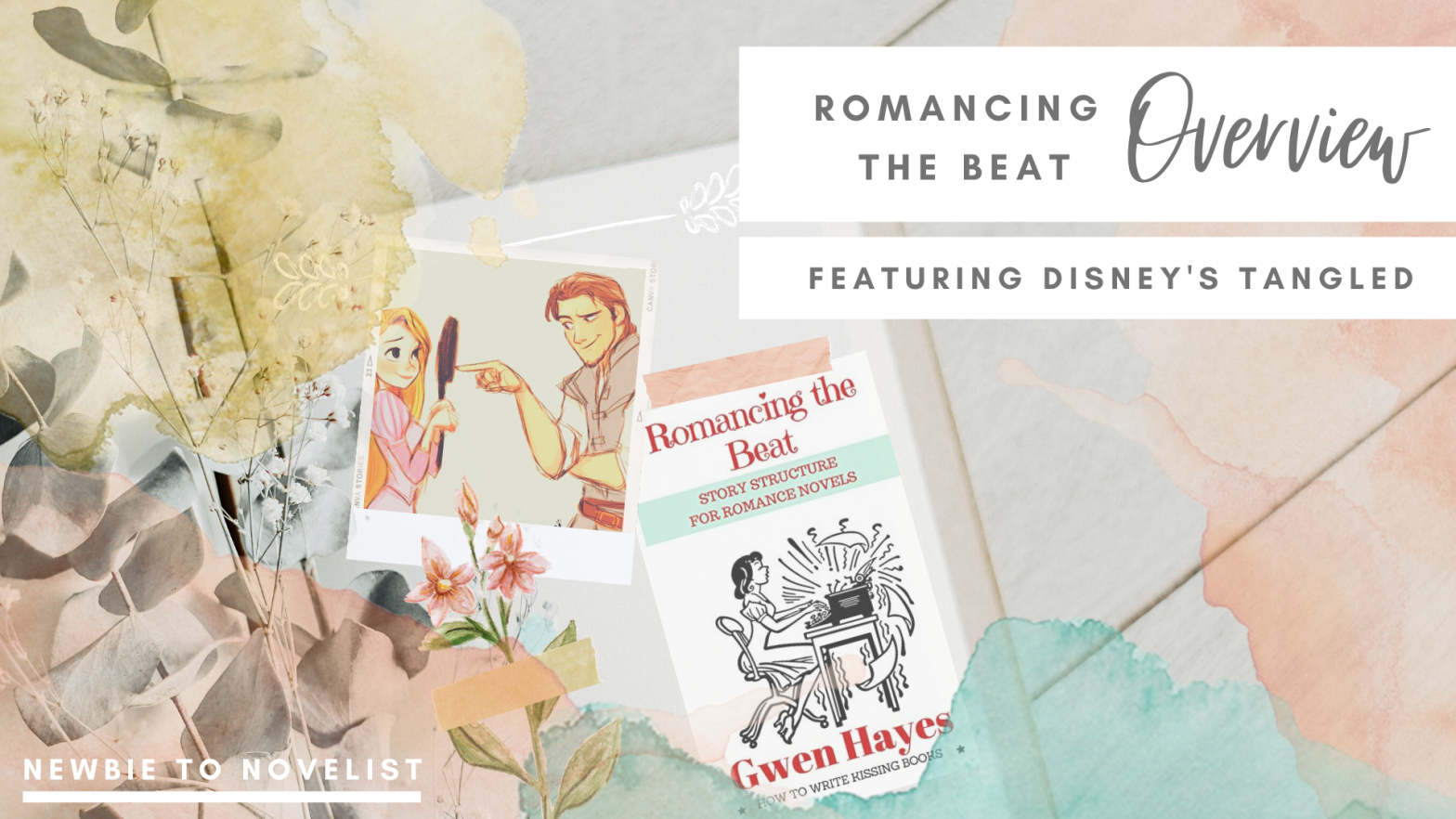
While writing the post: 5 Tips for Writing Romantic Subplots, my fifth tip was to utilize romantic story structure and I recommend checking out Romancing the Beat by Gwen Hayes (which also has a Scrivener template). But I wanted to include my own overview. Quick disclaimer: This overview is pretty true to Gwen Hayes’ beats,ContinueContinue reading “Romancing the Beat Overview: Featuring Disney’s Tangled”
A Newbie’s Guide to Self-Editing a Novel

This month, I wrote “the end” on the second book in The Uprising series. With beta-reader feedback returned for book 1, it’s time for me to dive back into editing. After I wrote the first book, I did a pretty quick job of my first editing pass. While I did cut 10,000 words, I stillContinueContinue reading “A Newbie’s Guide to Self-Editing a Novel”
 Newbie to Novelist